

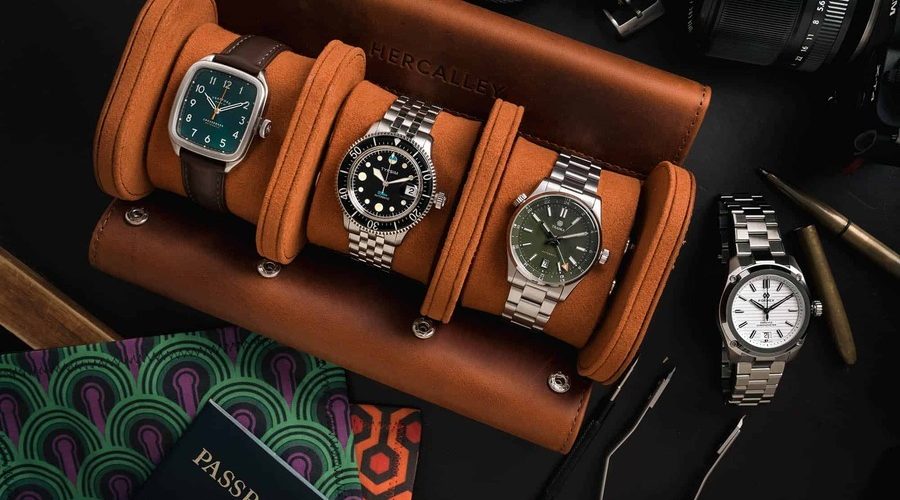
Luxury watches have become a valuable part of personal wealth. Collections built through five-figure purchases over time routinely reach seven figures in value, according to the article “When Watches Become Family Assets: Why Strategy Alone is Not Enough” from Forbes.
Despite their increasing financial significance, watches are among the least planned assets in many estates. They rest in watch cases, safes, or vaults, often uninsured, undocumented and disconnected from the family’s estate plan. Tax inefficiency and rushed sales resulting from a lack of planning mean lost value, both financially and sentimentally.
Collectible watches are vulnerable because they are portable and don’t quite feel like “assets” until death or incapacity. However, the same planning strategies used for other collectibles can be applied to watches.
Documentation and professional valuation. Accurate inventories, service records, purchase documents and original packaging are key value drivers for watches. Missing documentation often leads to discounted values.
Timing sales is a key strategy. A post-death sale may benefit from a step-up in basis under IRS Section 1014, potentially eliminating federal capital gains tax, but—and this is a big but—only if qualified appraisals meet IRS requirements and proper procedures are followed. Talk with an estate planning attorney before proceeding. It is also be mindful of value cycles for the collection. As with collectible cars or artwork, market conditions change.
Liquidity planning needs to be intentional. Rushing to sell luxury watches to cover estate settlement expenses almost always results in the watches being sold for less than their market value. Plan in advance to determine whether the watches will be treated as legacy assets, liquidity tools, or something else entirely.
Who will make the decisions? Someone needs to be responsible for coordinating the process and ensuring that it is part of the overall estate plan. Siblings squabbling over when to sell which watch, which dealer to work with and final decisions may lead to costly delays. Clarity around governance can be more important than the watches themselves.
Strategy and execution must align with the overall estate plan. There is no lack of legitimate valuation experts, auction houses and dealers. However, successfully managing this asset class requires planning. Families will do best with a trusted, knowledgeable agent responsible for executing an international strategy. Without coordination, families can easily get caught up in reactive responses, making decisions based on emotion rather than in everyone’s best interest.
Watches are a prime example of how the divide between traditional assets and personal possessions has narrowed in recent years. The market for collectible watches has grown rapidly, and families need to manage this asset with an integrated, professionally guided approach, supported by an experienced estate planning attorney.
To have a complimentary consultation with an expert, click this link.
Reference: Forbes (Feb. 4, 2026) “When Watches Become Family Assets: Why Strategy Alone is Not Enough”