

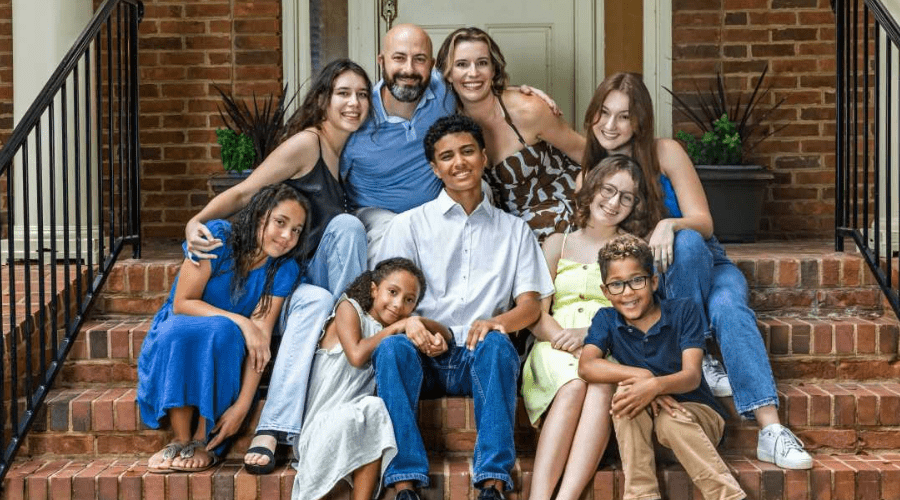
A stepchild, spouse, or longtime partner may expect to inherit assets after a loved one has died. However, in many cases, they are stunned to learn not only don’t they inherit, but they may lose access to assets if the assets are not titled in their name. Beneficiary designations, trusts and kinship hold great importance when it comes to inheritance, as explained in a recent article, “In blended families, beneficiary forms, trusts determine who inherits” from The Street.
As more Americans are in second marriages, raising stepchildren and building nontraditional families, estate plans need to keep pace. When they don’t, disputes follow.
Who has standing to make a claim against an estate? The person named a beneficiary in a will or a trust, related by kinship or biological relationship, and related by marriage. In a blended family, people may occupy similar roles. However, unless they are blood relatives, adopted legally, or named in estate planning documents, they may not have a legal claim.
Someone could also have a claim through a contractual arrangement, through a will, pre- or post-nuptial document, or a written agreement.
Inheritance rights usually depend on whether there is a will or the state’s intestacy law if there is no will. For a blended family, things can become complicated.
Courts consider the beneficiary designation to be a contract. If the desire is to change the beneficiary designation, certain steps must be taken if the owner of the asset changes their mind about distribution. If those steps aren’t taken, the beneficiary named on the contract receives the asset. Even if the intent was to make a change, if the change isn’t made, the beneficiary designation controls the distribution.
The same holds true for a trust naming biological children, even if stepchildren believe they should inherit. There may be exceptions if an expectation was created or there was a quid pro quo arrangement. For example, if someone agreed to provide care based on a promise they would be included in a trust and the promise was not fulfilled, there might be grounds for a claim. However, this would be a contractual claim, not one based on family status. Litigation may be required, and there’s no guarantee of success in any kind of litigation.
Informal instructions do not override beneficiary designations, trust beneficiaries, or wills. Even if a person writes a notarized statement saying they want something other than what is on the document to occur, a contract is binding. This goes for life insurance proceeds as well as trusts.
These are all reasons why estate planning documents need to be updated and current. Relationships change—but if the estate planning documents don’t reflect those changes, family members may find themselves in unfortunate circumstances.
Blended families benefit from more detailed estate planning to prevent conflicts over asset distribution. Building a blended family takes time and effort—keeping the family together after the death of a parent is more likely when a mindful estate plan has been prepared.
Click here to book a complimentary consultation with one of our experienced attorneys.
Reference: The Street (July 4, 2026) “In blended families, beneficiary forms, trusts determine who inherits”