

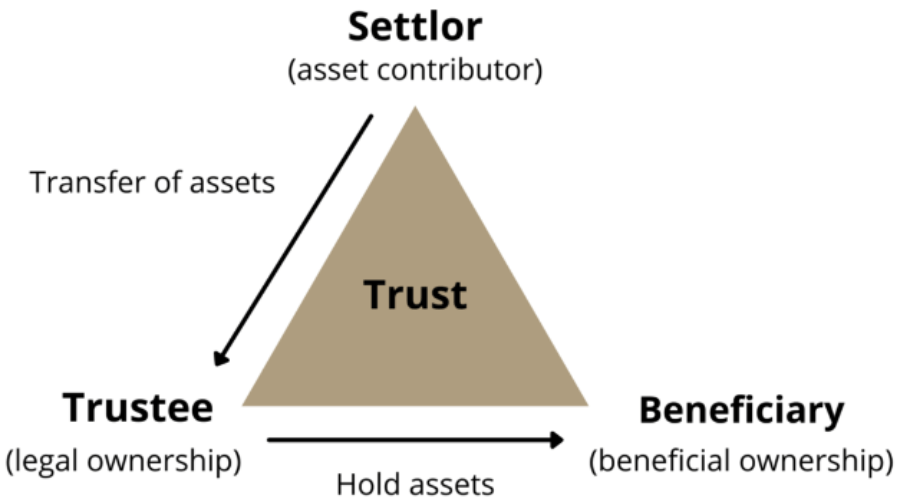
Creating a trust is only part of the estate planning process. Once the trust takes effect, someone must manage its assets, follow its instructions, communicate with beneficiaries and make decisions within the authority granted by the trust document.
That responsibility can last for years, particularly when a trust is designed to provide for minor children, vulnerable beneficiaries, or multiple generations. Choosing a trustee based solely on family relationships may therefore overlook important practical considerations.
A Trustee Has Significant Responsibilities
A trustee has a fiduciary responsibility to administer the trust according to its terms and applicable law.
Depending on the trust, responsibilities can include investing assets, keeping accurate records, filing tax returns, making distributions, communicating with beneficiaries and protecting trust property.
The role requires more than simply being someone the grantor personally likes or trusts.
Family Members are Not Always the Best Choice
Parents frequently assume that a child or sibling should serve as trustee because that person knows the family well.
Familiarity can be valuable. However, family relationships can also create complications. A trustee who is also a beneficiary may face competing interests, while disagreements among siblings can make financial decisions particularly difficult.
The most familiar person is not necessarily the most appropriate administrator.
Consider the Trustee’s Financial Skills
Trust administration can involve substantial financial responsibilities.
Evaluate Organizational Ability
A trustee may need to maintain records, track investments, communicate with professionals and meet important deadlines.
Someone who is trustworthy but disorganized may struggle with the practical requirements of administering a complex trust.
Consider Investment Responsibilities
Some trusts hold substantial investment portfolios or other valuable property.
If the trustee will be responsible for managing investments, the person’s financial experience and willingness to obtain appropriate advice should be considered.
Impartiality Matters
Trustees sometimes must balance competing interests among beneficiaries.
For example, one beneficiary may receive current distributions while another has an interest in preserving assets for the future. A trustee may need to make difficult decisions that benefit one beneficiary differently from another.
Someone with strong personal preferences or existing conflicts with beneficiaries may struggle to maintain the necessary neutrality.
A Professional Trustee May Be Appropriate
For certain trusts, an institutional or professional trustee may provide advantages.
A professional trustee may have established systems for accounting, investment management, recordkeeping, tax administration and beneficiary communication. This can be particularly valuable when a trust is large, complicated, or expected to remain in place for many years.
However, professional services also come with fees, so the costs and benefits should be evaluated carefully.
Name a Backup Trustee
Even an excellent first choice may ultimately be unable or unwilling to serve.
A successor trustee provides an alternative if the original trustee dies, becomes incapacitated, resigns, or otherwise cannot fulfill the role. Without a successor, beneficiaries may face additional complications and potentially require court involvement.
Naming multiple potential successors can provide additional flexibility.
Communicate Your Expectations
A trustee may be more effective when the person understands the purpose of the trust and the grantor’s broader goals.
Although the trust document should contain the legally operative instructions, explaining the reasoning behind major decisions can provide useful context.
This is particularly important when the trust gives the trustee discretion over distributions.
Review Your Trustee Choice Over Time
Trustee selection should not be treated as permanent.
Relationships change, financial circumstances evolve and a person who was well suited to serve ten years ago may no longer be the right choice. Estate plan reviews should, therefore, include fiduciary appointments as well as the documents themselves.
Major life events can provide a natural opportunity to reconsider the selection.
The Right Trustee Can Strengthen the Entire Plan
A carefully drafted trust can still create problems if it is administered by someone who lacks the ability, availability, or impartiality required for the role.
Choosing a trustee requires looking beyond personal relationships and considering practical skills, judgment, integrity and the complexity of the trust itself. With thoughtful selection and appropriate backup arrangements, families can give beneficiaries a better chance of receiving the protection and support the trust was designed to provide.
Key Takeaways
- Trustees carry significant responsibilities: They may manage investments, make distributions, maintain records and communicate with beneficiaries.
- Family relationships are not enough: A trustee should also have the judgment, organization and impartiality required for the role.
- Complex trusts may benefit from professional administration: Institutional trustees can provide specialized systems and expertise.
- Always consider a successor: A backup trustee helps prevent disruption if the original trustee cannot serve.
- Review trustee choices regularly: Changing relationships and circumstances can make a previous selection less appropriate.
CLICK HERE to book a free consultation with an experienced attorney.
Reference: USA Today (Aug. 21, 2026) “Before death, ask yourself how much you trust your trustee”