

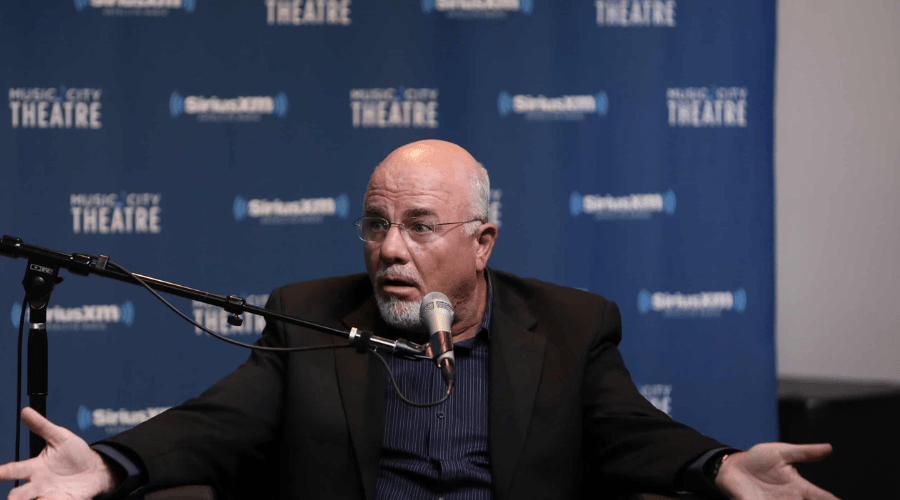
Financial author and radio host Dave Ramsey has long been a respected voice in personal finance. His guidance on estate planning reflects the same no-nonsense approach he brings to budgeting and debt management. Ramsey stresses that estate planning is not merely about passing on assets, but about intentional preparation that prevents chaos, confusion and hardship for loved ones during an already challenging time.
His perspective boils down to a simple truth: failing to plan is planning to create problems for the people you care about most.
Estate Planning Is for Everyone
According to Ramsey, estate planning isn’t something to put off until you’re retired or wealthy. Even young families and individuals with modest assets benefit from having a clear plan in place. Without key documents — like a will, powers of attorney and healthcare directives — your family may be left navigating courts, confusion and unnecessary expense.
Ramsey encourages people to view estate planning as part of overall financial responsibility, alongside saving, investing and insurance.
The Heart of the Matter: Protecting Your People
Ramsey often emphasizes that estate planning is not about money; it’s about people. Establishing guardianship for minor children, naming trusted decision-makers and outlining your medical wishes provides certainty and reduces stress for loved ones.
He points out that without these directives; family members may struggle to make decisions or may have to pursue court-appointed guardianship or conservatorship.
Common Pitfalls Ramsey Urges You to Avoid
Ramsey’s advice includes warning families away from procrastination and assumptions. He notes that many people assume:
- A will alone is “good enough.”
- Beneficiaries on accounts automatically reflect current intentions
- Family members will “just work it out” without formal plans
These beliefs can lead to outcomes that contradict your wishes, create conflict, or force families into expensive legal processes.
Estate Planning Isn’t Just One Document
Ramsey stresses that effective estate planning involves multiple, coordinated legal documents. These typically include:
- A will that directs how assets are distributed
- Powers of attorney for financial and healthcare decisions
- Advance directives or living wills
- Beneficiary designations that align with your plan
He encourages regular review and updates — especially after major life events like marriage, divorce, or the birth of children — to ensure that plans keep pace with life.
Action is Essential to Secure Your Legacy
Perhaps Ramsey’s most valuable contribution is his call to start now. He reminds people that estate planning is not an overwhelming legal mystery; it’s a series of practical steps that anyone can take with the right guidance. Getting started early provides peace of mind and protects your family from uncertainty later.
Key Takeaways
- Estate planning is essential for everyone: Not just the wealthy or elderly
- Protecting loved ones is the priority: Planning reduces stress and conflict
- Avoid common assumptions: Wills and beneficiaries must be coordinated
- Review regularly: Update plans as life changes
To speak with an attorney that can help guide you for free, click here.
Reference: AOL (Feb. 24, 2026) “Dave Ramsey Shares His Take on Estate Planning and He Doesn’t Sugarcoat It”